
Comparisons
3D Configurator Platforms vs 3D Content Programs
How manufacturers choose between 3D configurator platforms and an always-on content program, with a criteria table and when each one wins.
Mainstay Digital · · 6 min read
Short answer
3D configurator platforms fit when buyers must assemble a valid configuration and get a price from it. An always-on 3D content program fits when the work is explaining, demonstrating, and refreshing product content across shows, launches, and sales calls. Many manufacturers end up wanting both.
Manufacturing companies choose between 3D configurator platforms and an always-on content program by asking what the 3D has to do. If a buyer or rep must pick options and leave with a valid quote, a configurator fits. If the job is showing how a machine works, filling a trade show calendar, and refreshing launch content on schedule, a content program fits better.
Disclosure: This guide is published by Mainstay Digital, which is one of the options discussed. Competitors are described from their own public materials. Confirm current details with each vendor.
How do manufacturing companies choose between a 3D configurator platform and an always-on 3D content program?
They start from the buyer's job. Manufacturing visualization splits into selling options and explaining machines, and each job has its own tool: a configurator platform, a content program, or both. The 3 options look like this:
- Configurator platform. Software your team operates. Threekit is the example from our vendor guide: a product configuration and visualization platform for manufacturers of complex, configurable products, built around real-time visual configuration tied to quoting. Buyers or reps adjust options, the 3D visual and a valid quote update together, and structured output passes into CPQ and ERP systems. It's priced as a software subscription and runs lighter on narrative product video and technical storytelling.
- Always-on content program. A subscription where the vendor produces finished assets from your CAD: product stills, Web AR, hotspot experiences, product video, and interactive 3D. Mainstay One is Mainstay's version, with the full price list published and plans starting at $2,995 a month.
- Hybrid. Both, each doing its own job. The platform handles option logic and quoting, and the program produces the demos, video, and AR that explain the machine.
How do 3D configurator platforms and always-on content programs compare?
| Criterion | Configurator platform | Always-on content program | Hybrid |
|---|---|---|---|
| Main job | Turn option choices into a valid configuration and quote | Explain, demonstrate, and refresh product content | Quote-ready selection plus a steady supply of explainers |
| Who builds the assets | Your team, inside the platform | The vendor, from your CAD | Both |
| Pricing shape | Software subscription | Subscription for produced content (Mainstay: $2,995, $3,995, or $7,995 a month) | 2 budgets |
| What you supply | Option rules, pricing logic, CPQ and ERP connections | A STEP file and 3 to 7 intake answers | Both |
| Strongest at | Configurable catalogs, self-serve selection, faster quoting | Mechanism, scale, motion, show and sales content | Large option catalogs that also need launch and show content |
| Lighter on | Narrative video and technical storytelling | Rules-driven option selection and quoting | Coordination across 2 vendors |
| Typical outputs | Live configurator, quote handoff | Stills, Web AR, hotspots, video, interactive 3D | Both sets |
| Measurement | Varies by vendor | AR analytics on every plan, hotspot analytics from Immersive | Both |
When does each option win?
A configurator earns its keep when the option space is too big to demo by hand. It wins when:
- Buyers must choose options before they can get a price, as with a modular conveyor line or a packaging system with drive, width, and guarding choices.
- Quote accuracy runs through CPQ and ERP rules.
- Dealers need to configure and quote without calling the factory.
- Someone on your team will own option rules and pricing logic after launch.
If that list describes your business, a content program won't replace the configurator.
A content program earns its keep when the hard part is understanding the machine. It wins when:
- Buyers need to see internal mechanism, motion, or scale before they care about options.
- Your calendar holds trade shows, launches, and dealer requests all year.
- You have a handful of base models with a few alternate configurations.
- Launch visuals have to exist before the first unit ships.
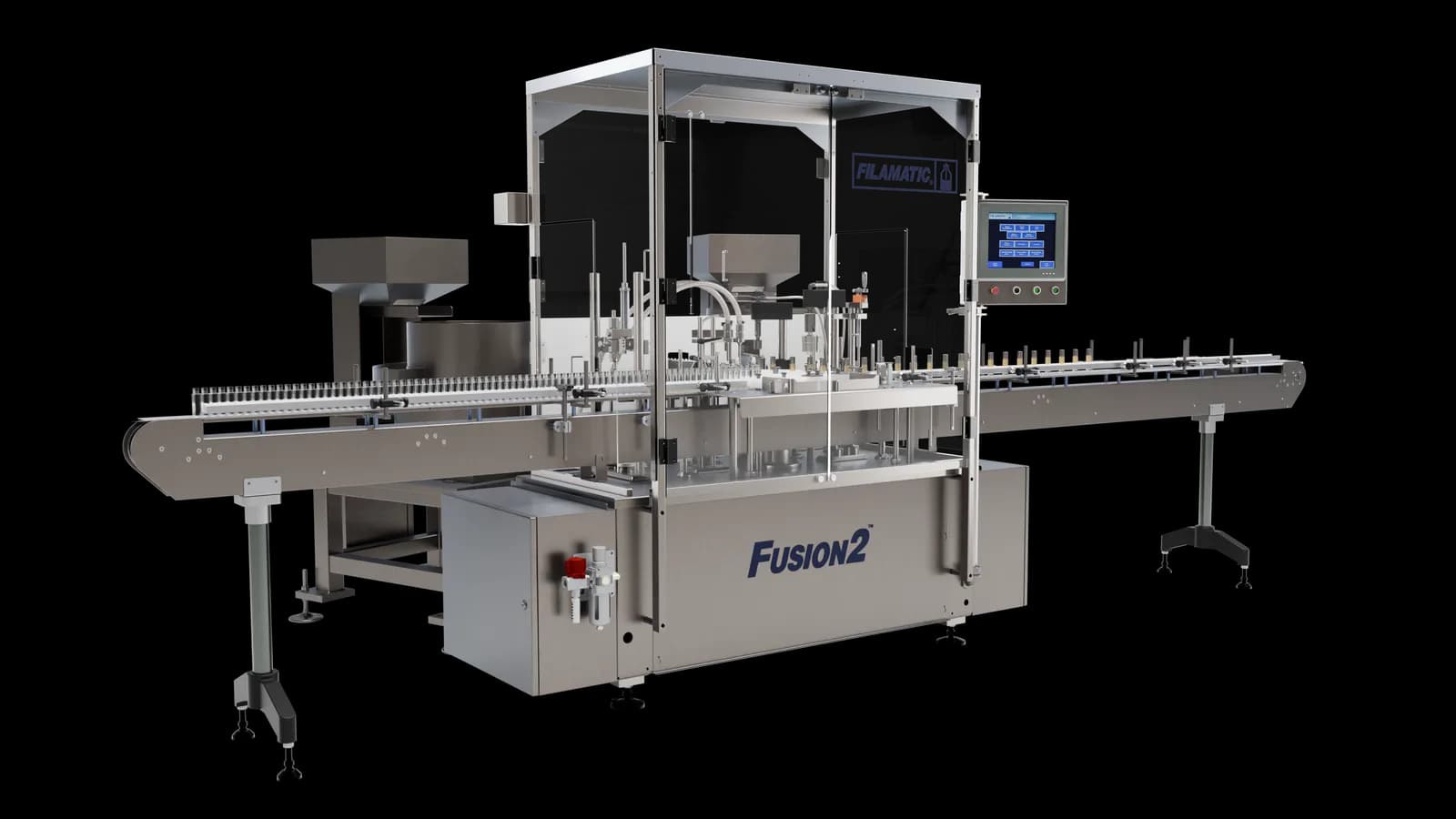
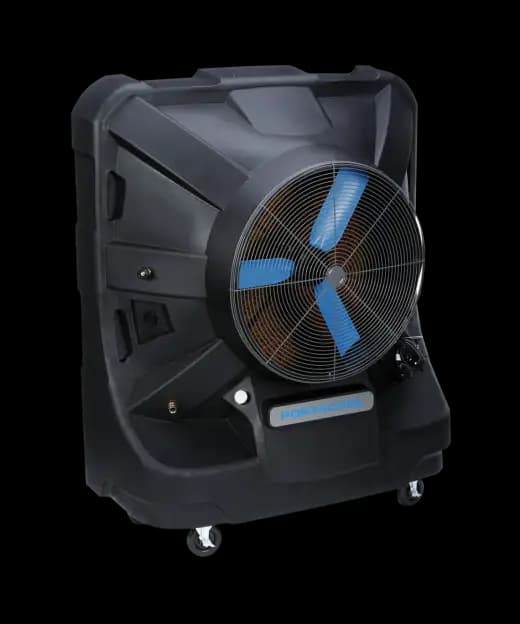
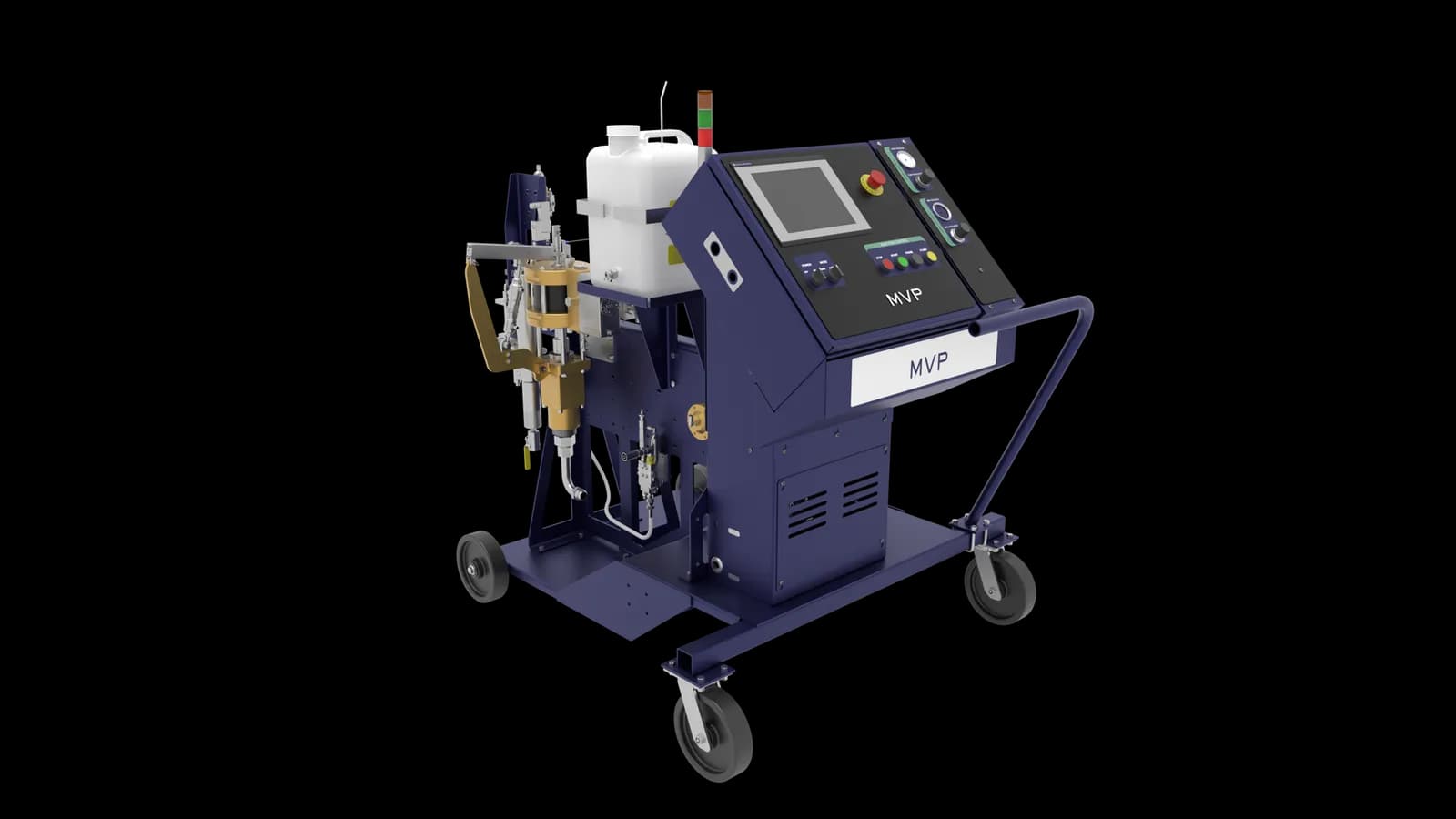
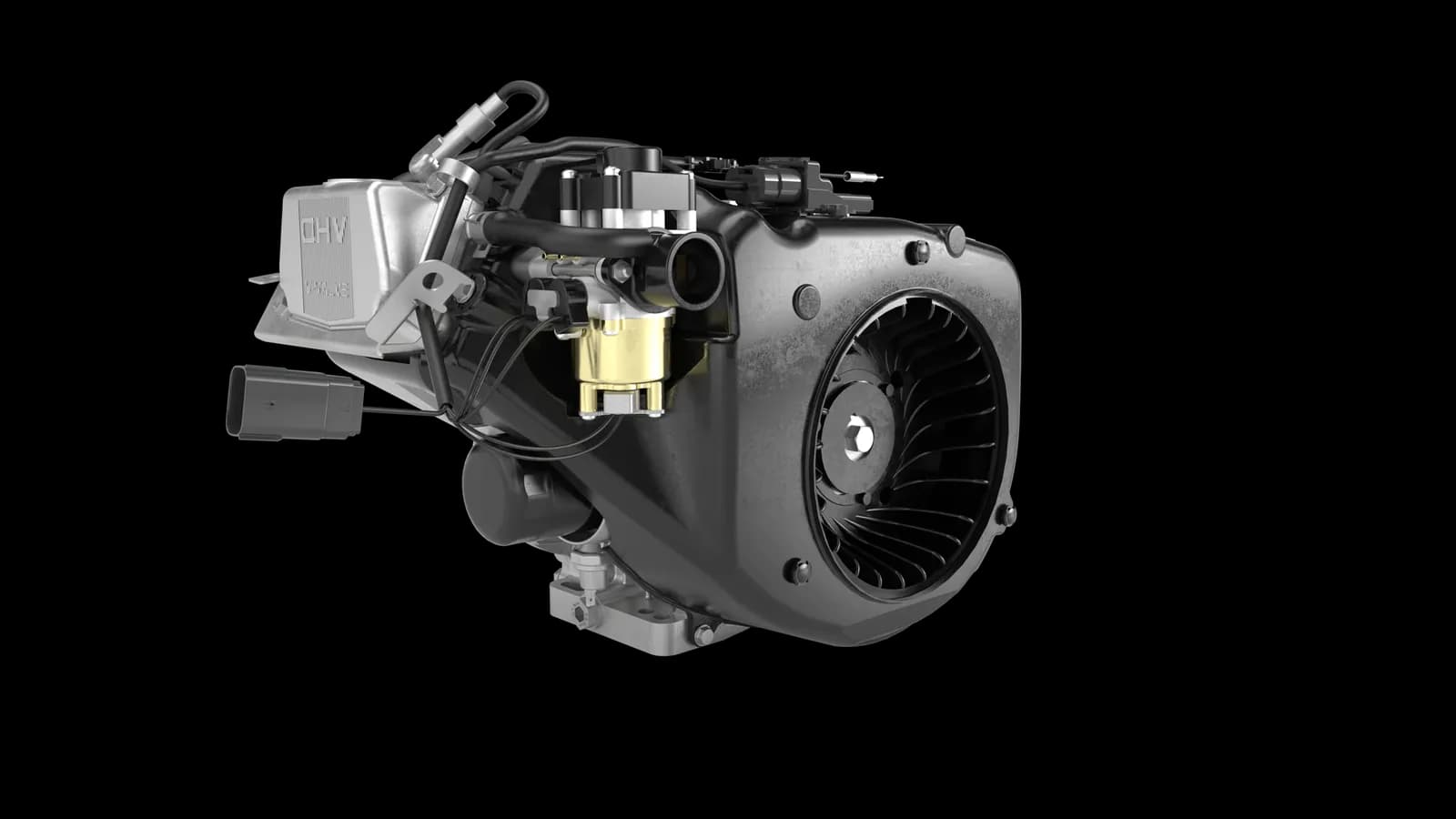
Mainstay's client results show what explaining the machine is worth next to static formats. Pearson Packaging deployed walkthroughs for 27 machines and reported 2x time spent versus static formats, and Tidel's TR400 build reported 2x dwell time and $12K saved per event. Boon Edam reported 52% engagement versus 36% for static content.
How does each option handle sales enablement and product launches?
For sales enablement, a configurator hands reps a tool for the quote step. A content program hands them the material for every step before it: a hotspot walkthrough for the mechanism, a Web AR link to test fit on a plant floor, and a video for the committee. Those assets open from a booth iPad, a QR code, or a shared screen.
For 3D product marketing around a launch, a configurator needs final option rules and pricing logic before it can quote a valid configuration. A content program works from CAD, which exists before the first unit does. Stills (1 to 2 weeks) and a product video (4 to 6 weeks) can start while the option sheet is still moving.
What does a hybrid look like in practice?
The division of labor stays clean. The platform owns option rules, pricing logic, and the quote handoff. The program owns the stories: hotspots through the housing, Web AR at true scale, video, and the booth iPad build.
Both digital product experiences can start from the same engineering CAD. Confirm model formats and handoffs with each vendor before you sign, since integrations vary by platform.
Which one should you pick?
- Buyers must configure and get a quote: a configurator platform.
- Buyers must understand a complex machine, and your calendar is full: an always-on 3D content program.
- Both problems at once: run both, and budget for 2 vendors.
The vendor comparison lines up 6 options on 5 criteria if you're still choosing, and the complete guide to 3D demo choices for OEMs walks a decision tree. To see what a content program would produce from your CAD, start a request.
Frequently asked questions
Can an always-on content program replace a configurator?
Only when buyers don't need to select options and receive a valid quote. A content program shows alternate configurations of a base machine as video, hotspots, or interactive 3D. Option-rule validation and quoting sit with the configurator platform.
Is a 3D configurator worth it for a small product line?
Often it isn't, because a handful of variants can be shown as alternate configurations in a content program. A configurator pays back when option combinations multiply, quoting rules get complex, and someone will maintain them. Count your option combinations first.
Who updates the 3D when engineering changes an option?
With a configurator platform, your team updates models and rules inside the software. With a content program, the vendor updates the affected assets from the revised CAD, and at Mainstay the updated assets keep publishing and reporting through Brizo. Ask any vendor for the turnaround on an engineering change.
Can we start with a content program and add a configurator later?
Yes. Both can start from engineering CAD, so the source files can carry over, and a content program produces usable assets in weeks (stills take 1 to 2 weeks). Confirm export formats with the configurator vendor before you commit.
How much does each option cost?
Configurator platforms are software subscriptions, and pricing varies by vendor. A content program such as Mainstay One publishes its prices: $2,995, $3,995, and $7,995 a month, plus a one-time $2,500 onboarding fee. Ask whether a quoted price covers produced assets or only the software.