
Comparisons
Best CAD-to-Web 3D Platforms for Industrial Demos
Industrial 3D content production comes in 4 forms: software platforms, studio projects, an always-on subscription, and in-house CGI. Here's how they compare.
Mainstay Digital · · 6 min read
Short answer
Industrial 3D content production takes 4 forms: software platforms such as VNTANA and Threekit, project studios such as Trinity Animation and Intervoke, an always-on produced subscription such as Mainstay One, or an in-house CGI team. Teams without 3D artists get continuous 3D from a subscription, and teams that already employ artists can run a platform themselves.
Disclosure: This guide is published by Mainstay Digital, which appears on the list. Competitors are described from their own public materials. Confirm current details with each vendor.
To turn CAD into web-ready 3D product demos without an in-house CGI studio, hand your STEP files to a produced-content subscription, or buy software and staff it yourself. The deciding question is who does the cleanup, materials, optimization, and publishing work that industrial 3D content production requires.
What stands between a CAD file and a web demo?
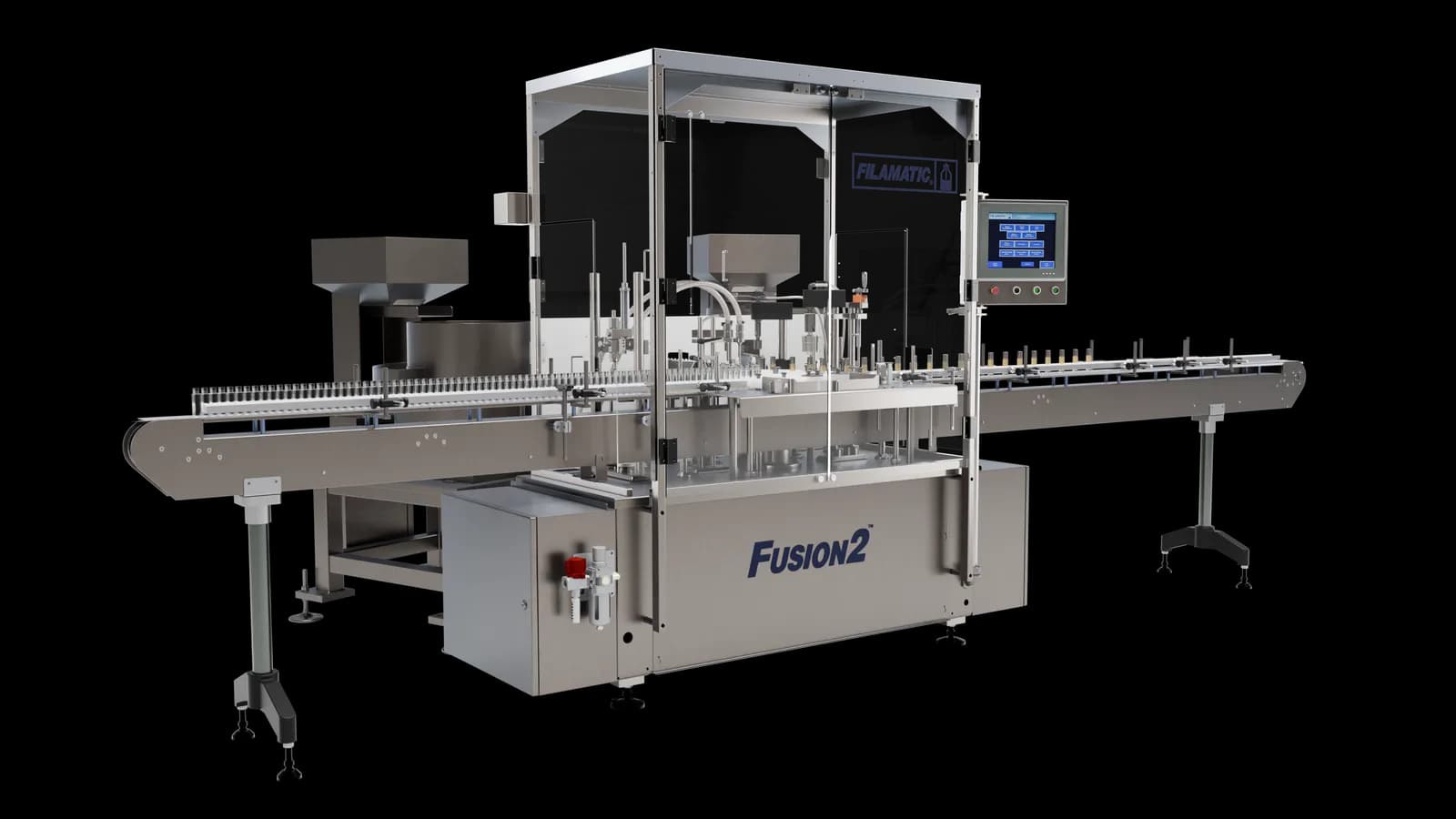
CAD-to-web 3D conversion turns an engineering file into a light model a browser can open fast. A STEP file carries every fastener, internal bracket, and hidden surface, and a phone wants none of that weight. Mainstay lists its interactive 3D models at under 4MB.
3D marketing production adds the rest. 5 jobs sit between a CAD file and a web page, whether the machine is a palletizer or a die bonder:
- Cleanup. Strip the geometry that adds weight and shows nothing.
- Materials. Add real finishes, welds, and paint.
- Optimization. Shrink the model so it loads in a browser.
- Experience. Build the hotspots, orbit controls, and AR placement.
- Publishing. Embed it, attach a QR code, and track what buyers open.
Whoever owns those 5 jobs owns the cost. For B2B product visualization, each approach below hands the jobs out differently.
Best tools and approaches for turning CAD models into web-ready industrial 3D product demos
4 approaches cover the field. The rows show who does the work and what it costs.
| Software platform | Studio project | Always-on subscription | In-house CGI | |
|---|---|---|---|---|
| Cleanup and materials | Your team in the tool | Studio | Producer, from your STEP file | Your 3D artists |
| Web optimization | Automated or manual in the tool | Studio | Producer | Your 3D artists |
| Building the experience | Your team in the tool | Studio | Producer | Your artists and developers |
| Publishing and analytics | Built in, rated Solid to Strong | Limited | Brizo, with AR analytics | You build or buy it |
| Cost shape | Software subscription plus your staff time | Quote per project | Flat monthly plan from $2,995 | Salaries, software licenses, render hardware |
| When engineering changes the design | Your team updates it in the tool | Usually a new quote | Resubmit the file to the producer | Queue behind other work |
Software platforms. Industrial CGI platforms automate conversion, configuration, or hosting, and they still need someone on your side to build the experience. VNTANA automates CAD conversion from 40-plus formats, and the company says its pipeline can cut file size by up to 99 percent. Threekit pairs real-time configuration with quoting, and Emersya offers no-code authoring, with published work that leans toward consumer brands.
All 3 are software subscriptions, so your team feeds them models and builds the experiences. They fit companies that already employ 3D artists or run a product-data team.
Studio projects. Trinity Animation runs an in-house render pipeline and is known for photoreal mechanical animation. Intervoke produces cutaways, exploded views, and AR and VR work, with aerospace and defense depth. Each piece is its own quote and timeline, which suits 1 flagship launch film.
How can a B2B manufacturer run always-on 3D without building a full in-house CGI studio?
Hand the production to a subscription that builds assets from your STEP files on a schedule. Always-on 3D content is a persistent library of 3D assets that keeps producing and stays published. Mainstay One delivers that library at a published monthly price, so your team reviews drafts and publishes.
The process has 3 steps:
- Order up. Log in, pick a deliverable, upload your STEP file, and answer 3 to 7 questions.
- Dial it in. A first draft lands in weeks. Revise as many times as you need, and your team sees every stage.
- Ship it. Push the asset into your sales stack and watch engagement.
1 STEP file becomes a 3D master, and everything comes off that master. Stills take 1 to 2 weeks, Web AR and hotspots 3 to 4 weeks, product video 4 to 6 weeks, and interactive 3D 4 to 8 weeks.
Mainstay is a US-based team with 0 overseas hand-offs and 1,250+ assets delivered to 150+ industrial brands.
Basic costs $2,995 a month and includes unlimited stills and Web AR. Immersive costs $3,995 and adds hotspots and full-production video.
Momentum costs $7,995 and adds custom interactive experiences with 3 assets at a time. Every plan adds a $2,500 one-time onboarding fee and cancels with 30 days notice.
What does in-house CGI really cost?
You get full control and the deepest product knowledge. You also hire 3D artists, buy software, and run render hardware.
The costly part is your engineers. Someone who knows the assembly has to explain it, check every render, and approve every revision. Our position: pulling senior engineers off the roadmap to make marketing assets costs more than any other route.
CAD is accurate engineering output. It takes real production work to turn it into something that sells.
Best platforms or programs for continuous industrial 3D content production
Match the approach to your team by answering 3 questions:
- Do you employ 3D artists today? If yes, a platform gives them tools. If no, a subscription or a studio supplies them.
- Do you need 1 asset or a steady stream? A flagship film points to a studio. A stream across a show calendar points to a subscription.
- Does the product need configuration with quoting? If yes, add a configurator platform such as Threekit.
Many manufacturers end up combining 2 approaches. For example, VNTANA could manage a very large CAD library while a subscription produces the finished demos.
When engineering changes the design, our 3D asset change management guide covers the update loop. If you'd rather skip the hiring, start a request and upload a STEP file.
Frequently asked questions
What's the fastest way to turn CAD into a web-ready 3D demo?
Start with product stills and Web AR. On Mainstay's published turnarounds, stills take 1 to 2 weeks and Web AR takes 3 to 4 weeks. Interactive 3D takes 4 to 8 weeks.
Can we run always-on 3D without hiring 3D artists?
Yes. A produced-content subscription supplies the artists. Your team uploads the STEP file, reviews drafts, and publishes. Mainstay One works this way, with a published monthly price.
Do we need to clean up our CAD before sending it?
Send the engineering file you have. Mainstay accepts STEP, IGES, SolidWorks, NX, and Inventor files, and rebuilds them into a marketing-ready 3D model with clean geometry, real materials, and correct scale.
Does web 3D look worse than a rendered video?
Slightly. Browser and AR models give up the last few percent of shadow and texture to run anywhere with no install. For hero content, use the fully rendered stills and video. For a buyer exploring alone, the interactive model works because they control it.
How do software platforms and produced subscriptions differ on cost?
A software platform charges a subscription, and your staff time covers the rest. A produced subscription includes the production work in 1 monthly price. Confirm current pricing with each vendor.